
How Brands Shape Perception: Why Actions and Public Dialogue Define Identity
- Category: Branding
- Date 25-10-2025
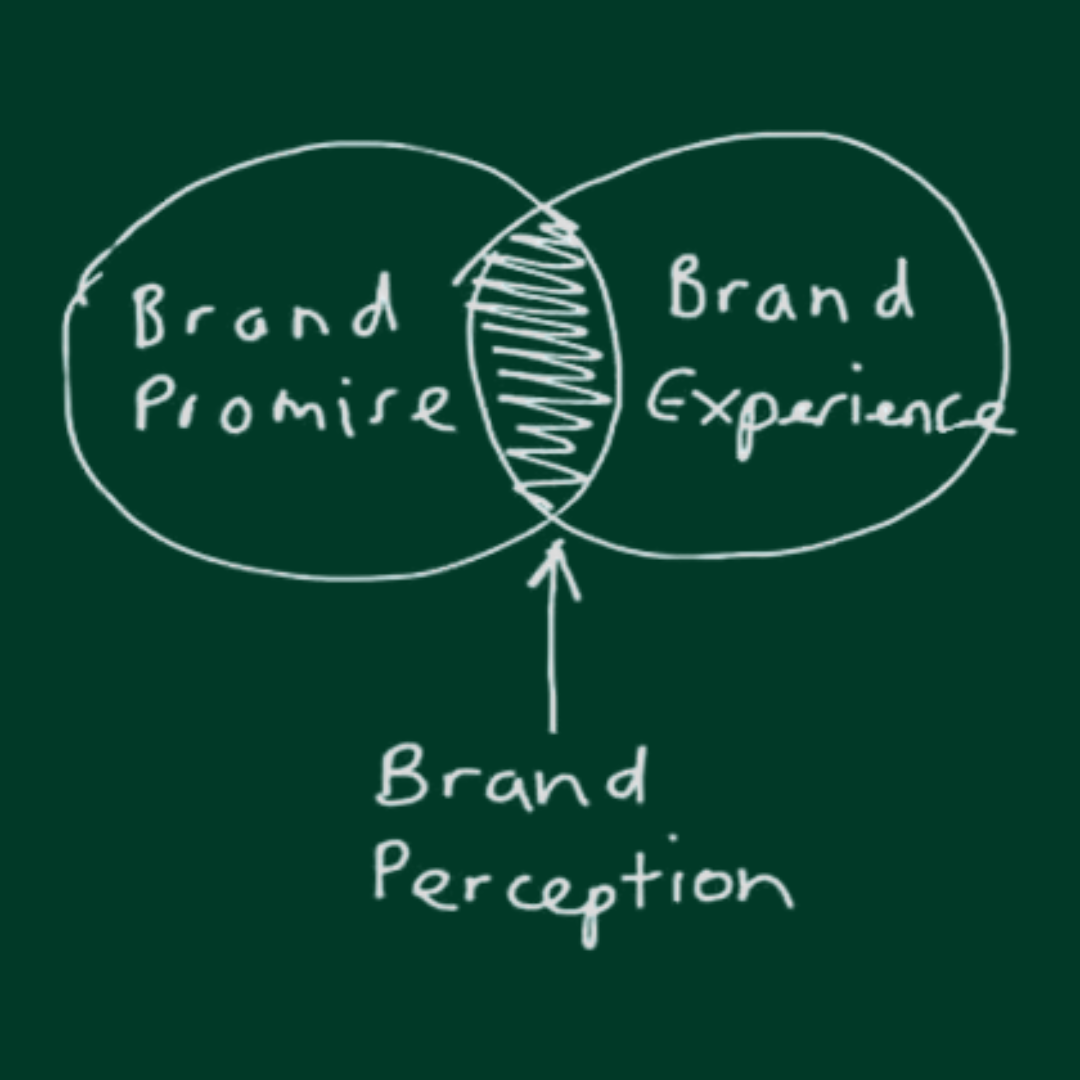
Brands represent the collective ideas people hold about products, organizations, or concepts. These perceptions emerge from a blend of media coverage, advertising, personal stories, and direct experience. Because so many sources influence them, brands often take on lives of their own, complex, evolving, and not always aligned with the reality of what they represent.
A brand doesn’t have to accurately match the product it symbolizes. In fact, almost everything, objects, people, movements, and belief systems carries a brand, regardless of whether it was intentionally cultivated. Brands are organic, shaped by every interaction, memory, and impression people form around the thing in question.
Consider Christianity as an example. It remains one of the most recognizable “brands” in the world, yet its modern reputation, particularly among people under 40, has shifted. Many still associate Christianity with generosity, compassion, and the teachings of Jesus. However, decades of political entanglements, abuse scandals, and conflicts with scientific consensus have layered the brand with associations of hypocrisy, intolerance, and anti-intellectualism. While these qualities do not reflect all Christians or even the majority, they persist in the brand regardless of nuance.

This illustrates a fundamental truth: brands are not assessments of what something truly is; they are reflections of what people, often casually informed people believe it is.
A strong brand amplifies influence, trust, and success, while a damaged brand can undermine even the best intentions. Brands endure as long as people continue talking about the subject, and every conversation contributes to the identity being formed.
Because brands are fluid, they evolve with shifts in public dialogue. Some changes happen honestly and organically; others are engineered through manipulation or strategic messaging. But always, behavior matters. Wearing a symbol of faith while acting selfishly weakens a religious brand, while living out compassionate values strengthens it. People notice and people talk.
If you care about a brand, promoting it can be powerful, but only if you genuinely elevate it. Misrepresenting it or engaging carelessly can do far more harm than good.
Choose your influence wisely.