
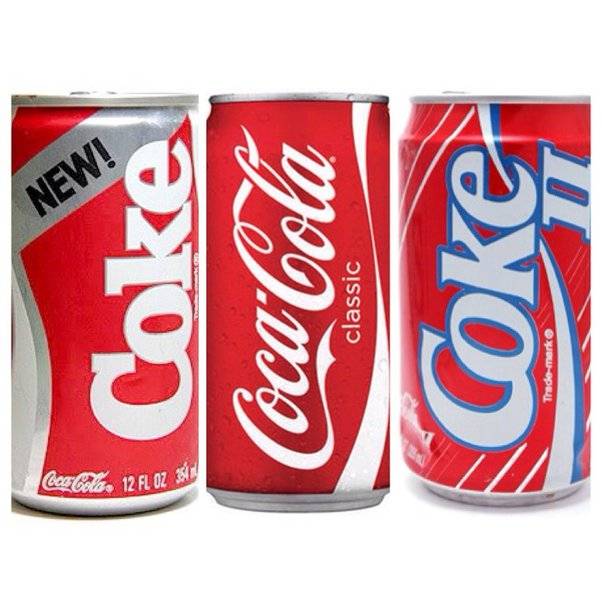
New Coke: How Coca-Cola’s 1985 Formula Change Became the Biggest Marketing Misstep in History
- Category: Branding
- Date 20-10-2025
In what many consider the greatest marketing miscalculation of the century, The Coca-Cola Company stunned the world on April 23, 1985, by announcing what it called “the most significant development” in its history. The brand revealed that it would be replacing Merchandise 7x—the secret flavoring behind its iconic formula—with a sweeter, smoother version of the drink. This reformulated beverage was introduced as New Coke.
For nearly a hundred years, Coca-Cola had dominated the cola industry. But by the 1980s, Pepsi began chipping away at that dominance by presenting itself as “The Choice of a New Generation.” The now-famous Pepsi Challenge, a blind taste test asking consumers to choose between Coke and Pepsi, consistently tilted in Pepsi’s favor. Convinced this preference for sweetness was a threat to its future, Coca-Cola spent millions developing a new formula it believed would win back market share.
Sweetened with corn syrup rather than sugar, New Coke outperformed both Pepsi and the original Coke in blind taste tests. Confident in their results, Coca-Cola discontinued the original formula the moment New Coke hit store shelves.
Despite an enthusiastic launch, early sales success, and widespread advertising, public reaction quickly soured. Coca-Cola had severely underestimated how emotionally attached consumers were to the original flavor. Almost immediately, protests erupted across the country. Outraged fans formed organized groups, flooded Coca-Cola offices with complaints, and signed petitions demanding the return of the beloved classic formula.
Just three months later, on July 11, 1985, Coca-Cola admitted defeat. The company reinstated the original recipe under the name Coca-Cola Classic, which saw immediate and substantial sales growth. New Coke lingered for a time under the rebranded name Coke II, but eventually disappeared from shelves altogether.
Today, the New Coke debacle stands as a legendary lesson in brand loyalty, consumer emotion, and the risks of tampering with a cultural icon.